
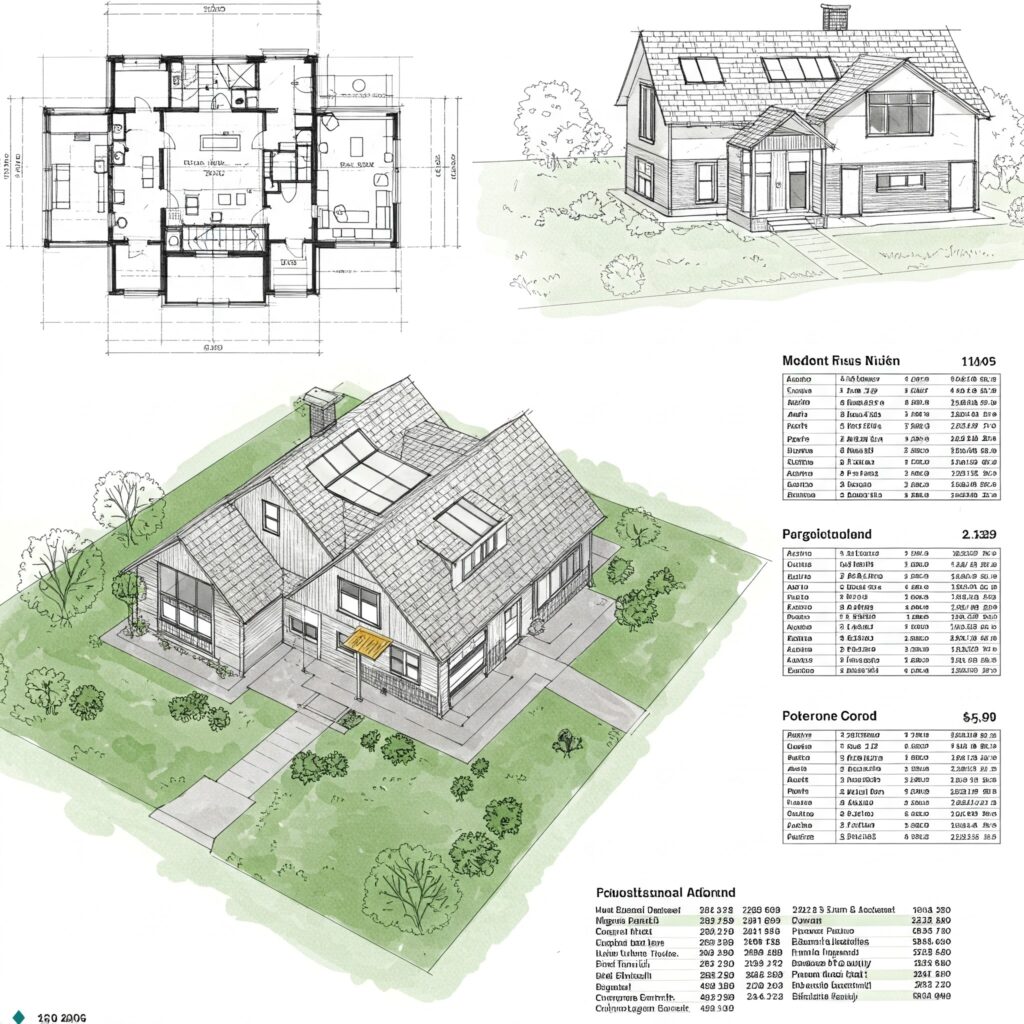
Building a house or undertaking a major renovation is a significant investment. Understanding the various costs involved is crucial to ensure your project stays on budget and avoids financial stress. This article will guide you through the key factors influencing construction costs and provide practical tips for budgeting effectively.
Factors Affecting Construction Costs
Several factors contribute to the overall cost of a construction project. These include:
- Project Scope: The size and complexity of your project will directly impact the cost. Larger projects with intricate designs or specialized features will naturally be more expensive.
- Materials: The choice of materials plays a significant role. High-quality, eco-friendly, or imported materials often come with a higher price tag compared to standard options.
- Labor Costs: The cost of labor varies depending on the location, the complexity of the project, and the skill level of the workers.
- Permits and Fees: Government permits and fees are mandatory for most construction projects and can add to the overall cost.
- Unexpected Costs: Unforeseen issues like hidden structural problems or changes in design can lead to unexpected costs. It’s essential to have a contingency fund to cover such eventualities.
Tips for Budgeting Your Construction Project
- Create a Detailed Budget: Start by outlining all the anticipated costs, breaking them down into categories like materials, labor, permits, and contingencies.
- Get Multiple Quotes: Obtain quotes from several reputable contractors to compare prices and services. Be sure to provide detailed specifications to ensure accurate estimates.
- Consider Value Engineering: Work with your contractor to explore cost-effective alternatives without compromising on quality or safety.
- Factor in Inflation: Construction costs can fluctuate due to inflation. Consider including a buffer for potential price increases.
- Set Realistic Expectations: Avoid overspending by setting a realistic budget and sticking to it. Be prepared to make adjustments if necessary, but avoid major changes that could derail the project.
- Regularly Review and Adjust: Keep track of expenses throughout the project and make adjustments to your budget as needed. This will help you stay on top of costs and avoid surprises.
Additional Considerations
- Financing Options: Explore different financing options like construction loans or mortgages to ensure you can afford the project.
- Project Timeline: Factor in the project timeline to avoid incurring additional costs due to delays or unexpected setbacks.
- Communication: Maintain open communication with your contractor to discuss any potential cost increases or changes to the project scope.
By carefully considering these factors and following the budgeting tips outlined above, you can effectively manage the costs of your construction project and ensure a smooth and successful experience. Remember, thorough planning and proactive communication are key to staying within budget and achieving your desired outcome.


